🧬 Hypoxia-Preconditioned BMSC-EVs Delivered Intranasally: A Promising Strategy to Treat Traumatic Brain Injury:

Context:
A 2025 study investigated whether intranasally delivered extracellular vesicles (EVs) derived from hypoxia-preconditioned bone-marrow mesenchymal stem cells (H-EVs) can alleviate secondary brain injury following traumatic brain injury (TBI).
Compared with normoxic EVs, H-EVs showed enhanced therapeutic effects by reducing neuroinflammation, improving neurological function, and restoring microvascular and neuronal integrity in TBI models.
Insight:
What stands out in this paper is how hypoxia preconditioning fundamentally boosts the therapeutic potency of BMSC-EVs.
H-EVs demonstrated superior effects by:
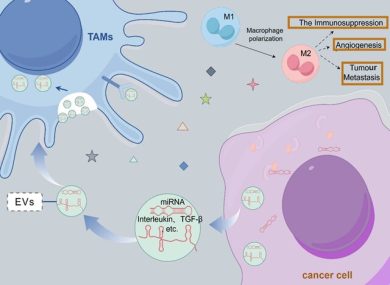
-shifting microglia from a pro-inflammatory M1 state to a reparative M2 phenotype,
-reducing NET formation and promoting anti-inflammatory N2 neutrophils,
-protecting endothelial cells and neurons from apoptosis,
-and improving cortical blood flow recovery.
Mechanistically, H-EVs delivered miR-145-5p to microglia, where it suppressed SP1, leading to reduced NF-κB-mediated inflammation a clear and elegant axis explaining the observed benefits.
Scientific Significance:
This study highlights several transformative possibilities for EV-based neurotherapies:
-intranasal EV delivery as a non-invasive and brain-targeted route,
-hypoxia-enhanced EV cargo for stronger anti-inflammatory and neuroprotective effects,
-modulation of immune and vascular cells through a defined miR-145-5p / SP1 / NF-κB pathway,
-and potential use of engineered EVs in broader CNS injuries.
These findings strengthen the view that preconditioned or engineered EVs may become a clinically viable option for TBI and neuroinflammatory disorders.
Source:
📄 Intranasal delivery of hypoxia-preconditioned extracellular vesicles derived from BMSCs alleviates neuroinflammation and brain dysfunction in TBI
DOI:10.1186/s13287-025-04572-3